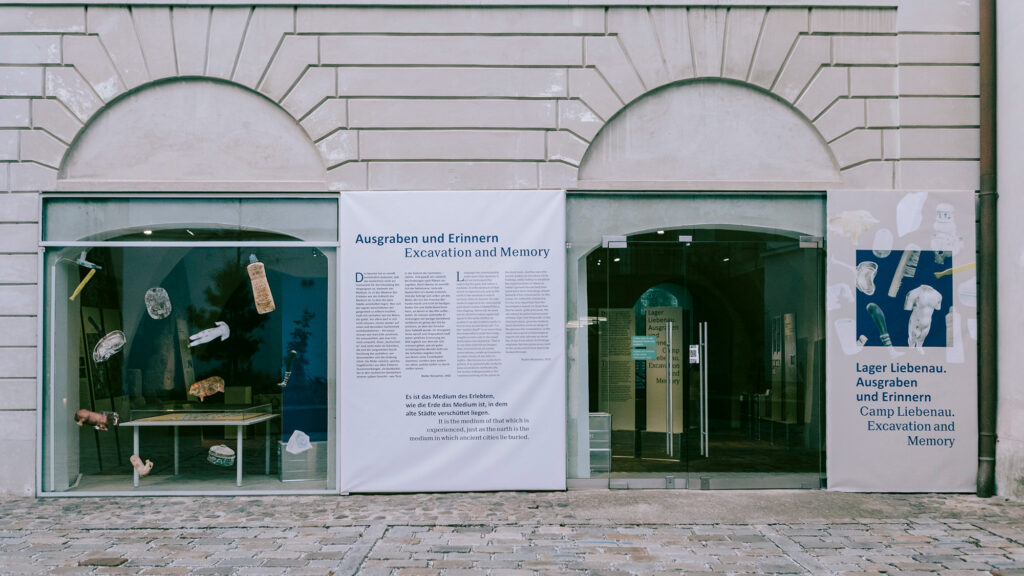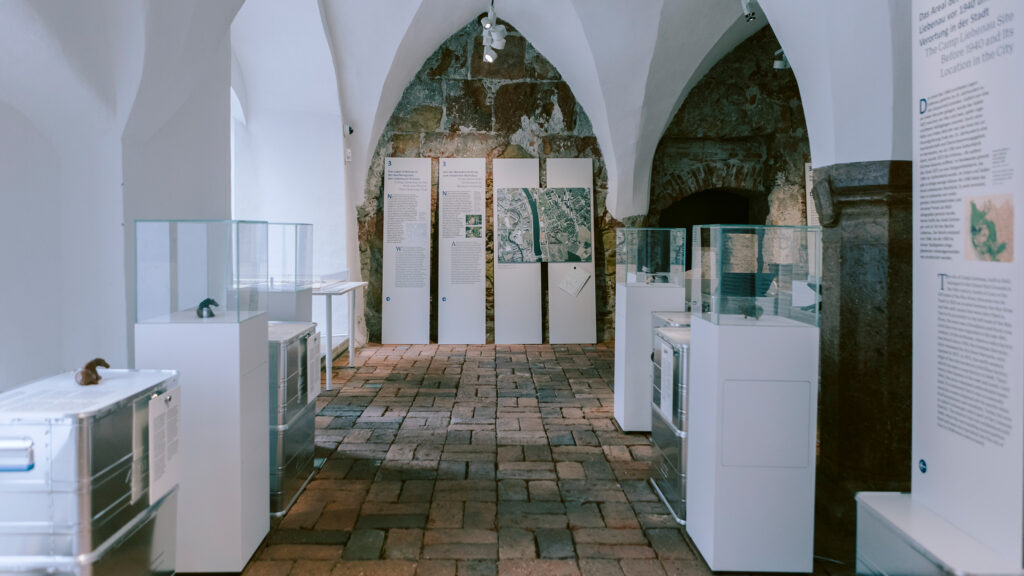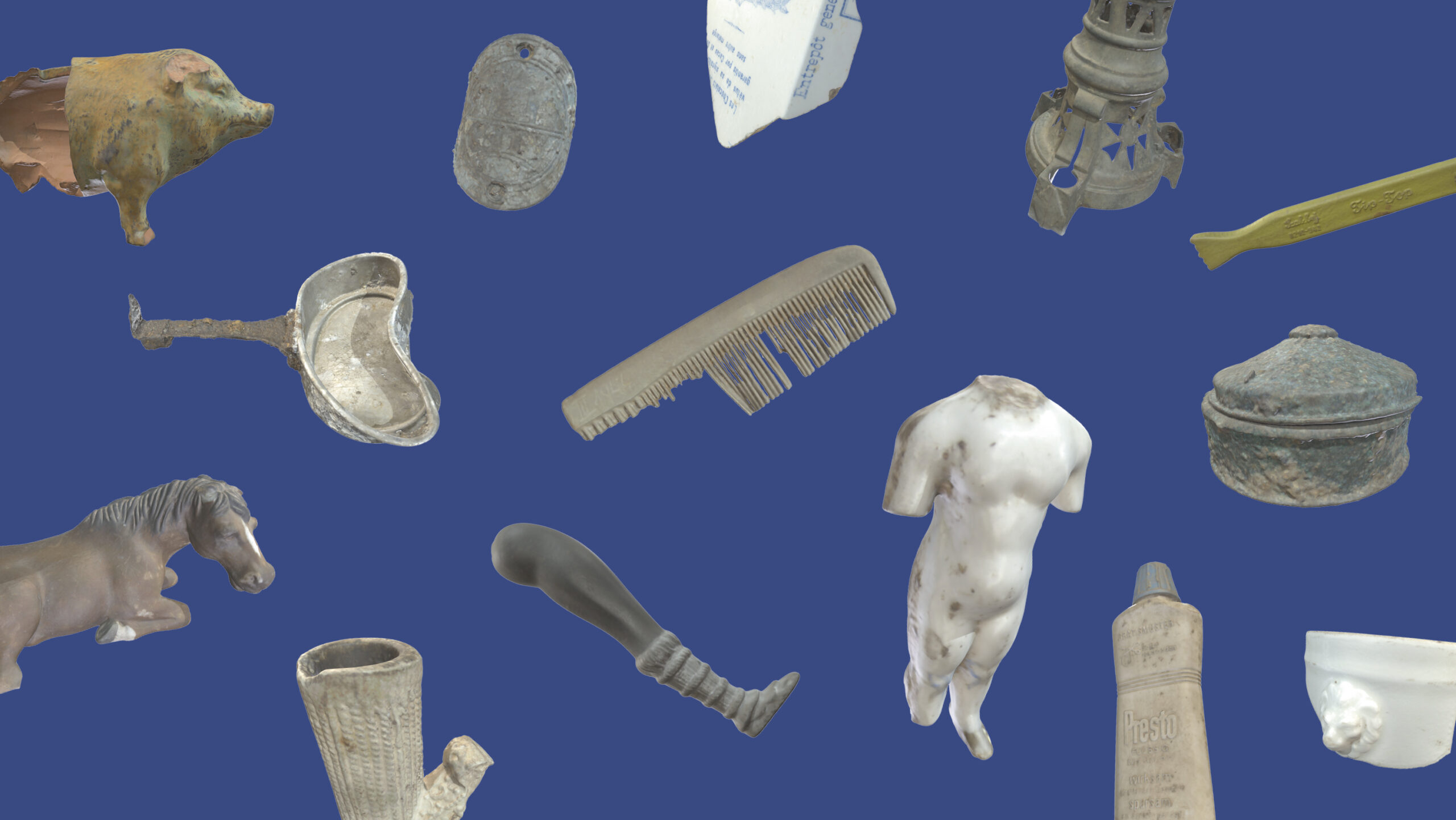
Camp Liebenau. Excavation and Memory
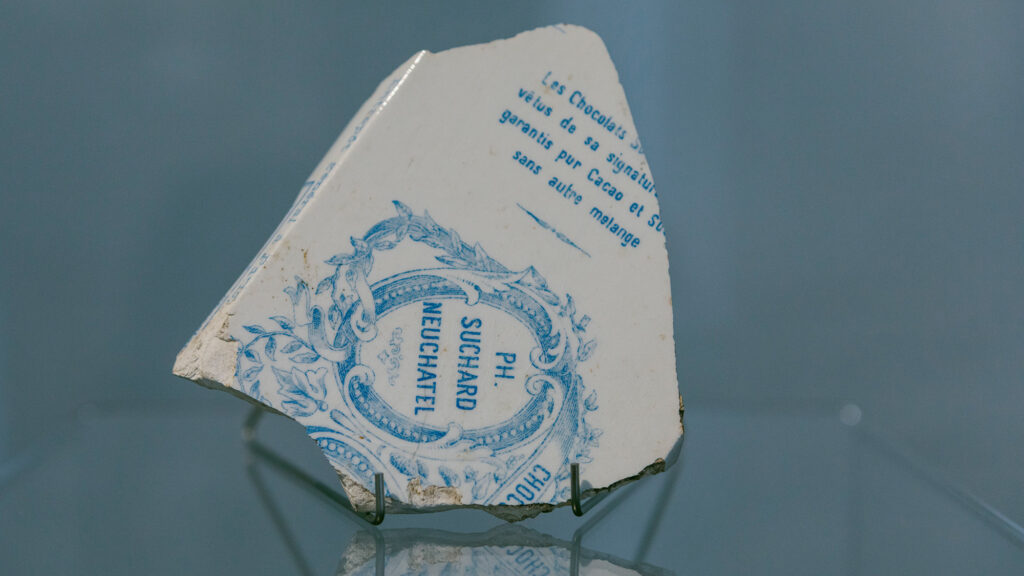
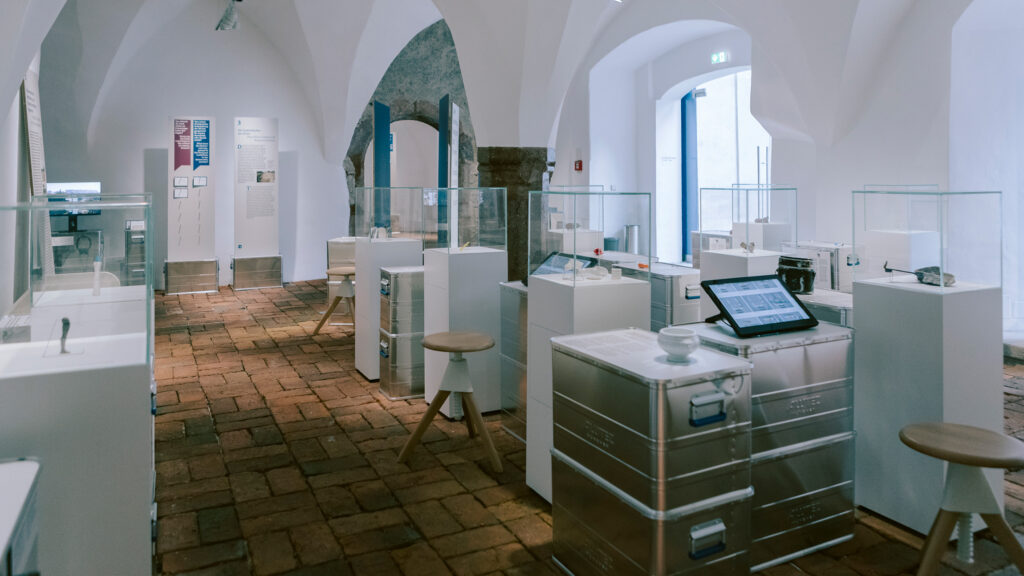
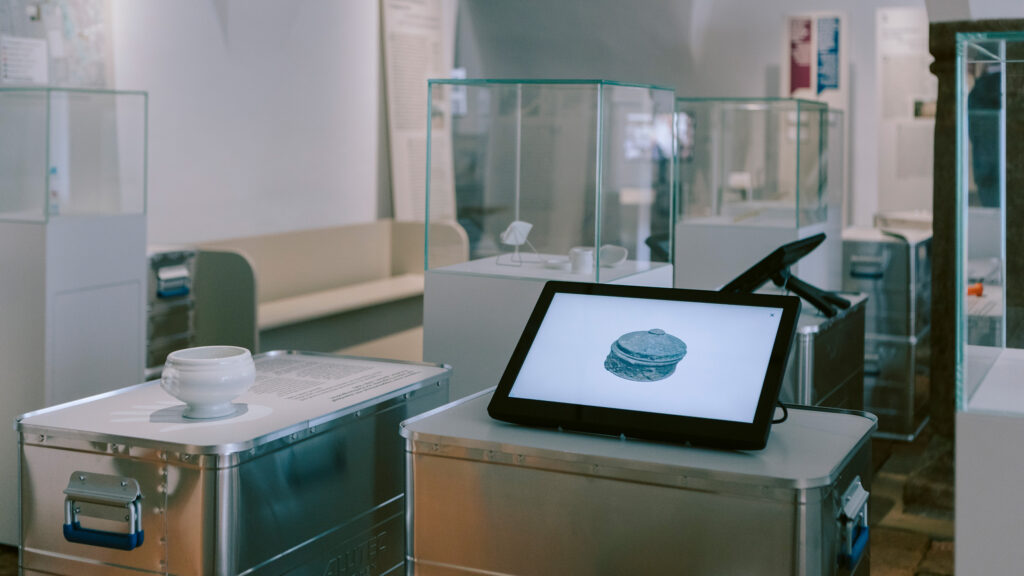
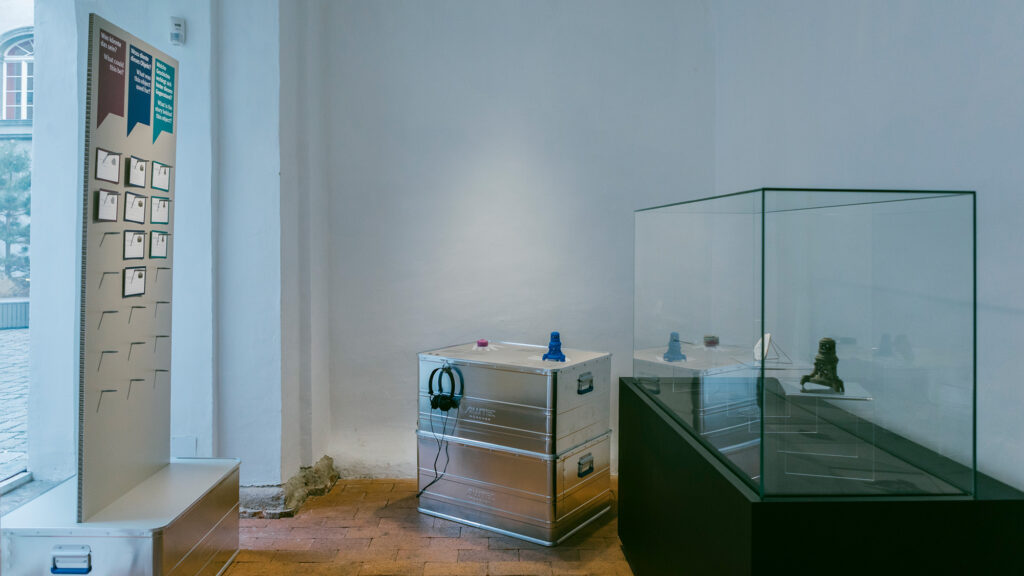
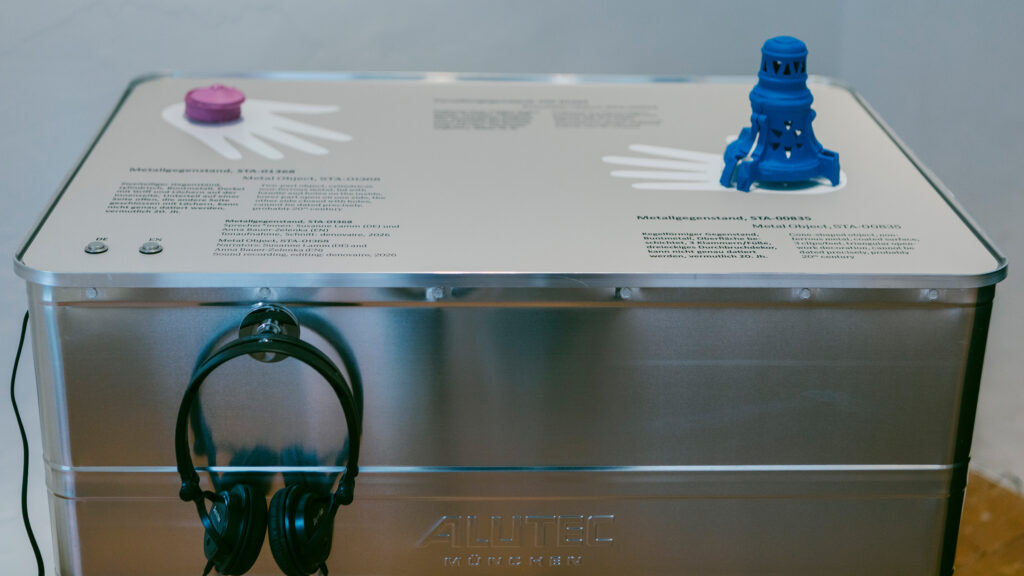
The archaeological finds from the site of the former Camp Liebenau in Graz and research conducted on them take centre stage in the exhibition at the Graz Museum. These objects are silent witnesses of history. Exhibiting them combines research, remembrance and social responsibility.
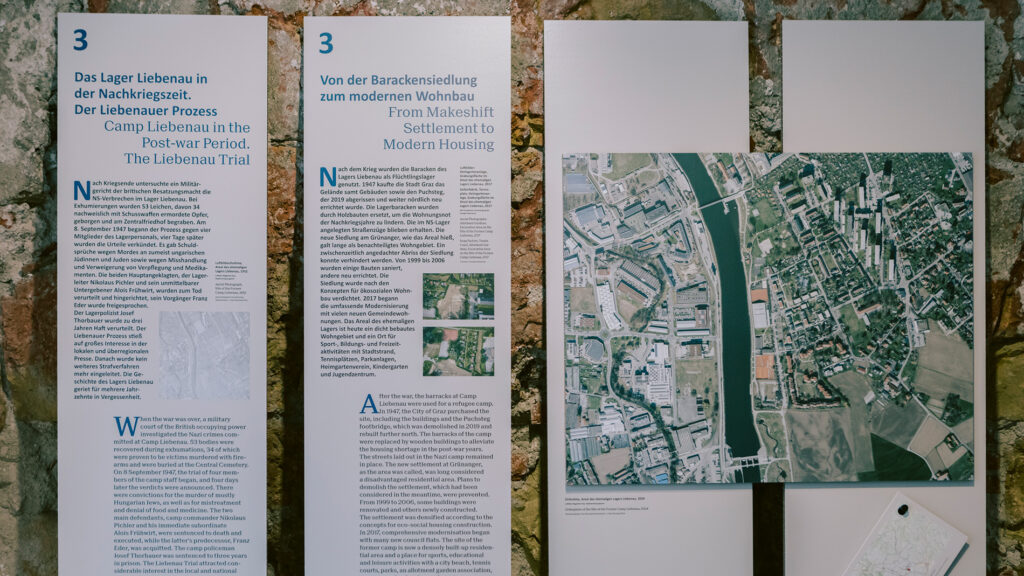
During the Nazi era, Camp Liebenau was a camp for displaced persons and forced labourers, but also a scene of Nazi crimes. Many of the finds date from these years, others from before or after. True to the motto “Excavation and Memory”, the aim is to examine the past and explain its significance for our present.
What do these finds tell us? What remains hidden from us?
The exhibition invites visitors to actively participate in this dialogue and to help decipher the finds.
Curators: Susanne Lamm, Annette Rainer
Project management: Vanessa Bednarek
Curatorial assistance: Anna Bauer-Zelenka
Exhibition design and graphic: Fuhrer, Vienna
A cooperation with Ludwig Boltzmann Institut für Kriegsfolgenforschung.
Barbara Schmid, Baum 2055, glasierte Keramik
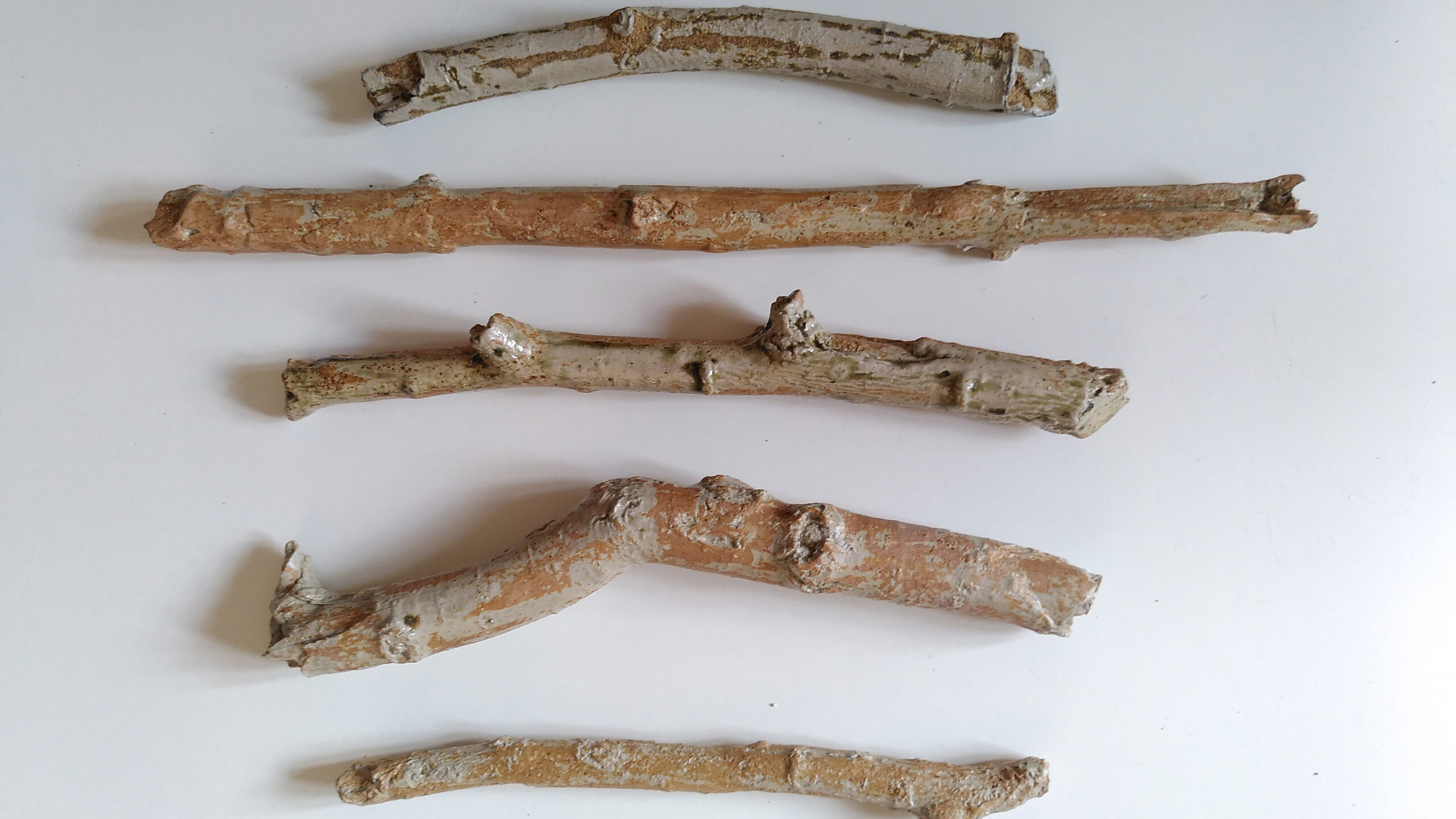
Visual artist and ceramicist Barbara Schmid has been active in Graz since 1984 and has worked in the City of Graz studio at Puchstraße 17 since 2015. Her artistic practice focuses on exploring the material of clay in its various forms and states. Both her work and her creative process are shaped by an ongoing engagement with fundamental questions regarding the interplay between society and art.
Barbara Schmid describes her work “Baum 2055” (Tree 2055) as follows:
“The tree, marked with cadastre number 2055, grew in a contaminated landscape within Graz’s Maria-Cäsar-Park—the site of the Liebenau camp from 1940 to 1945. This silver willow, a silent witness to the former Liebenau labor camp, survived for decades before being felled in December 2024. I collect branches and pieces of bark, recreate them in ceramic, and glaze them using the ash from the original twigs.”
Through this ceramic artwork, Barbara Schmid raises existential questions concerning transience and permanence, materiality and transcendence, as well as nature, culture, history, and the present. Her work contributes to the contemporary discourse on how to engage with a site associated with the crimes of the National Socialist past.